
Best For
- Trucks, SUVs, and builds that need clearance, load capacity, or trail capability
- Towing, payload, gravel, trails, or overland use with stronger LT options
- Daily-driven trucks that still see mixed on/off-road miles
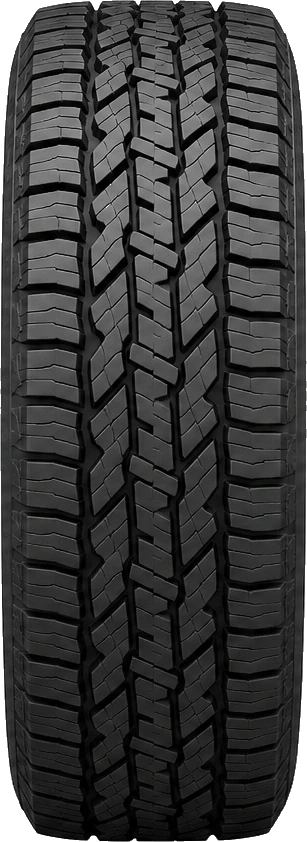
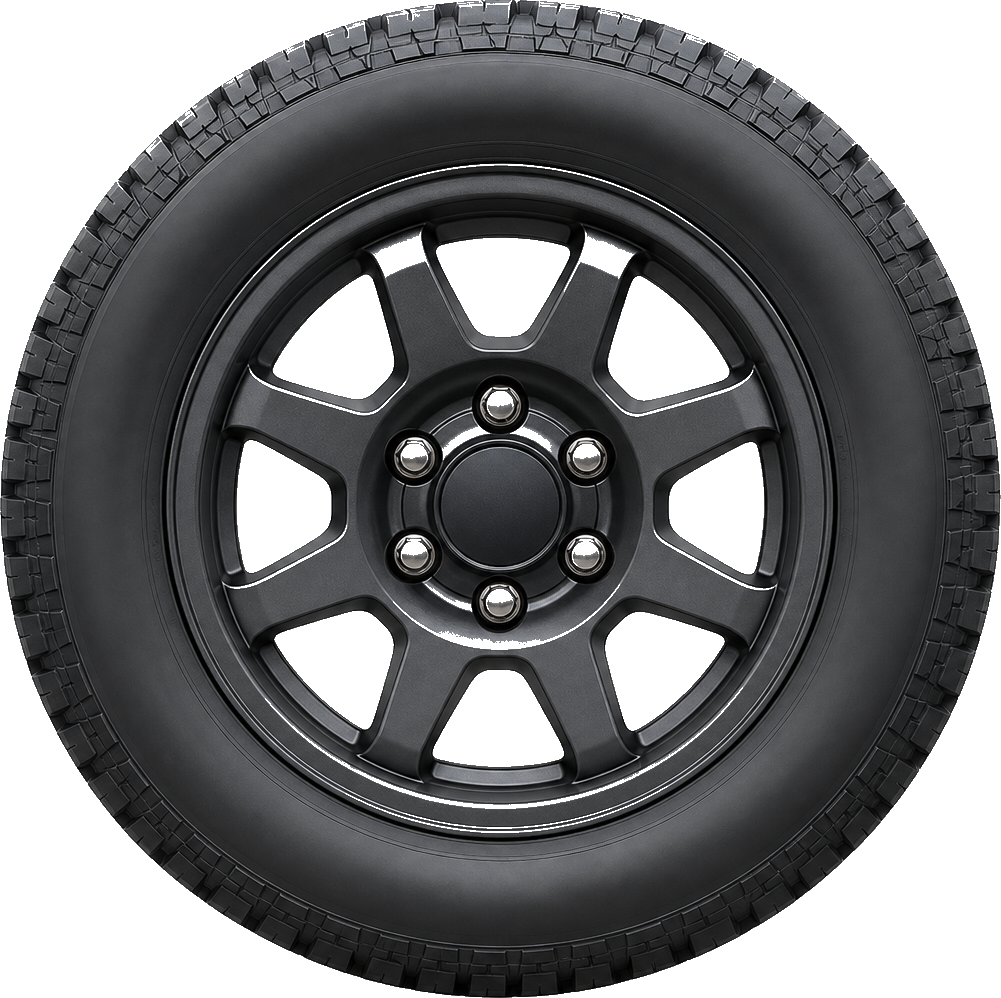
Overall Diameter
32.71in
Affects ride height, gearing, and speedometer accuracy.
Section Width
11.22in
Affects traction footprint and steering effort.
Sidewall Height
7.85in
Influences ride comfort and off-road compliance.
Circumference
102.76in
Determines distance traveled per wheel revolution.
Revs Per Mile
617
Used for speedometer and gearing calculations.
Wheel Diameter
17in
Determines wheel compatibility and fitment.
285/70R17 is a truck/SUV-oriented size that pairs 285 mm width with a 70% sidewall on a 17-inch wheel. At roughly 32.7" overall (~7.9" sidewall), it is typically chosen for clearance, load capacity, and mixed on/off-road use rather than max fuel economy. Products indexed for this size include all-terrain, highway-terrain, and winter options depending on actual coverage. Expect heavier steering and a possible speedometer change vs shorter factory sizes — verify clearance and load range before upgrading.
Nominal dimensions calculated from the 285/70R17 size code (285/70R17). Load range and speed rating come from indexed manufacturer products when available.
Rim Diameter Calculated
17"
Section Width Calculated
285 mm
Aspect Ratio Calculated
70%
Load Range Manufacturer
C, D, E
Speed Rating Manufacturer
Q, R, S
Construction Standard
Radial
Based on this size’s editorial category and exact-size product metadata. A size may support several uses without every product in the size belonging to every category.
Documented OE or commonly associated platforms for 285/70R17.
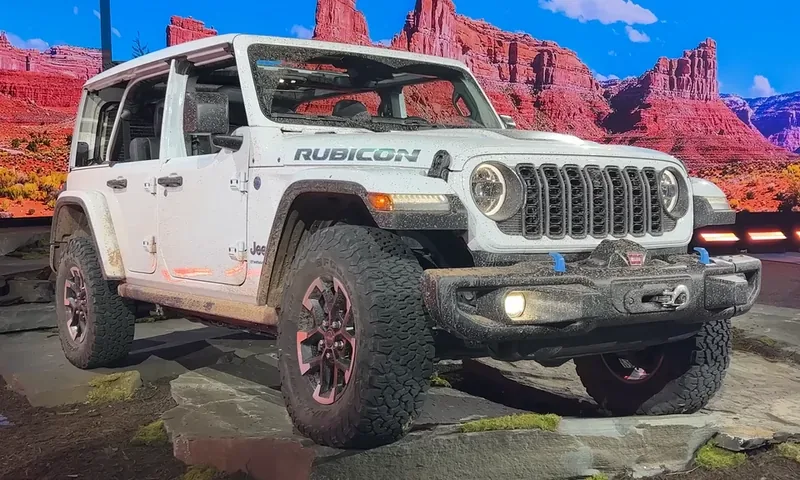
Jeep
Wrangler
Rubicon
2007–2018
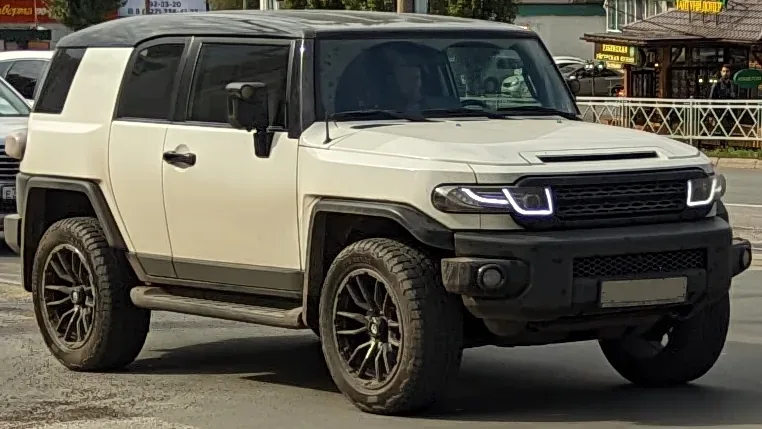
Toyota
FJ Cruiser
Base
2007–2014
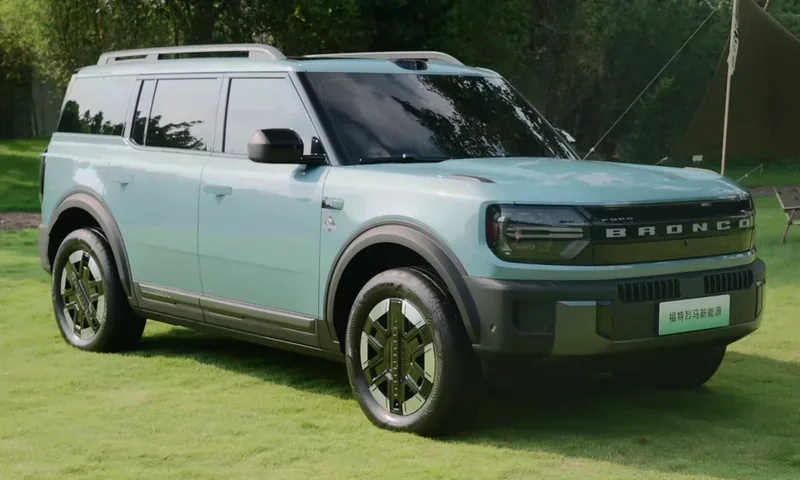
Ford
Bronco
Badlands
2021–2024
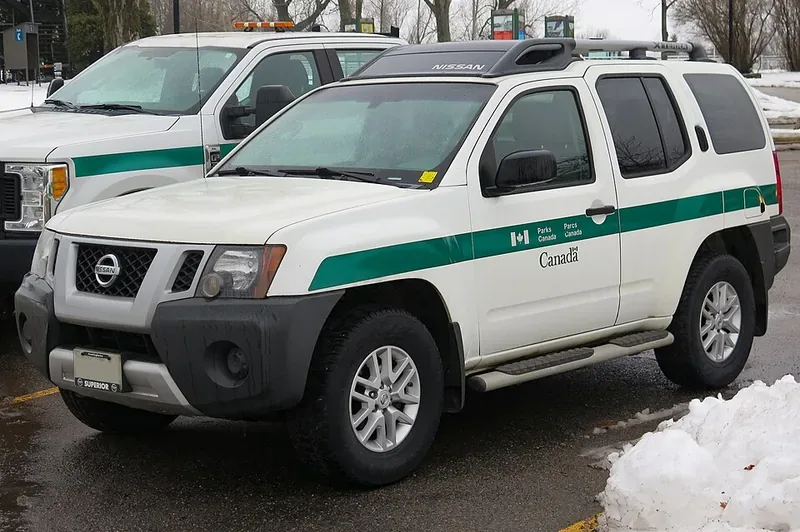
Nissan
Xterra
Off-Road
2005–2015
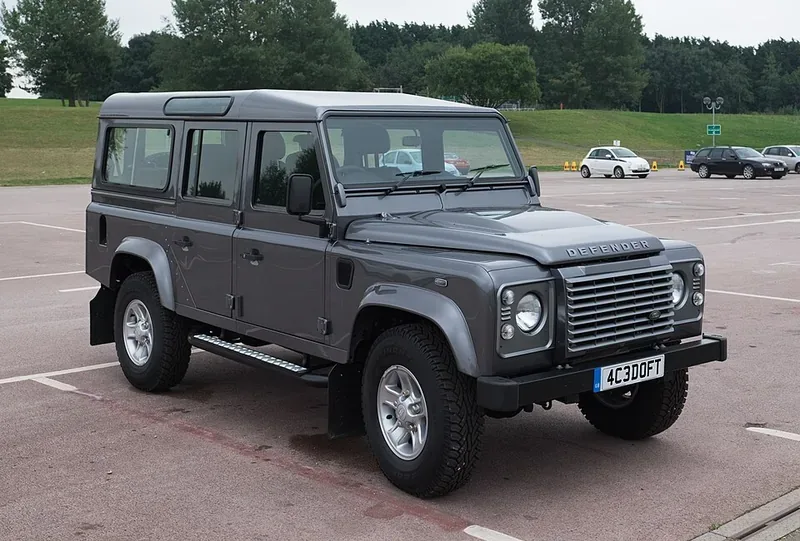
Land Rover
Defender
110
2020–2024
Documented fitment mappings for research. Vehicle clearance depends on trim, wheel offset, suspension height, and tire model — confirm fitment before buying.
Indexed manufacturer models confirmed in exact size 285/70R17
Manufacturer-provided product/spec data from Michelin, Goodyear, BFGoodrich, Toyo, and Falken where available.

All-Terrain
285/70R17 · 116/113Q · Load Range C
All-Terrain
285/70R17 · 116/113S · Load Range C

All-Terrain
285/70R17 · 116/113Q · Load Range C
All-Terrain
285/70R17 · 121/118Q · Load Range E

All-Terrain
285/70R17 · 117T · Load Range SL
All-Terrain
285/70R17 · 116T · Load Range SL
Best first stop for mixed daily driving, gravel, trails, and overland use.
Top pick
Goodyear Discoverer Stronghold® AT
Other options
Better for road noise, towing stability, and long highway mileage.
Top pick
Michelin Defender Ltx M/S 2
Other options
Use dedicated winter tires when snow and ice grip matter more than tread toughness.
Top pick
Goodyear Discoverer® Snow Claw® LT
Other options
Compare tread depth, weight, max load, pressure, and revs per mile for full-spec 285/70R17 products.
285/70R17 is a capable off-road and truck use size when clearance, load capacity, or mixed trail use matter. At roughly 32.71" overall (~7.85" sidewall on a 17-inch wheel), it sits in the truck/SUV capability band rather than a pure fuel-economy size. Pair it with the right tread and load range for your mileage mix.
285/70R17 is commonly seen on or upgraded to by owners of trucks, SUVs, and crossover platforms that can clear this diameter. Exact factory fitment depends on trim, wheel offset, and suspension height — confirm clearance and load requirements before treating it as a direct replacement.
Indexed products for 285/70R17 include load ranges such as E, D, C, and SL, depending on brand and model. Load capacity still comes from the load index and inflation table on the specific tire — not the size code alone. Match the load range to your GVWR and intended payload or towing use.
Indexed master-database coverage for 285/70R17 includes BFGoodrich, Toyo, Falken, Goodyear, and Michelin. Availability still varies by load range, tread type, and season — check the product cards and full-spec table on this page for models currently listed.
285/70R17 measures about 32.71" overall versus 33.16" for 275/70R18 (-0.4" / -1.4%). The shorter size usually trims rotational mass and can raise the speedometer reading relative to actual speed, with less ground clearance. Always check fender clearance and load rating before switching.
Load capacity depends on the exact tire, load index, and inflation pressure — not the size code alone. Check the manufacturer load table and your vehicle placard when setting pressure or carrying heavy loads. If multiple load ranges exist for this size, choose the one that meets or exceeds the placard requirement.
Every dimension on this site is computed in code from the tire size label — we do not scrape or hand-copy manufacturer spec sheets for overall diameter or circumference.
Rim diameter shown on this page is always 17" — the bead-seat diameter encoded in 285/70R17.
Dimensions are calculated from the tire size label; product rows and fitment mappings come from documented manufacturer and OE sources where available.
Compare 285/70R17 against nearby sizes like 275/70R18, 315/70R17, 305/70R18 to check diameter change, speedometer impact, clearance, and fitment tradeoffs.