
Best For
- Trucks, SUVs, and builds that need clearance, load capacity, or trail capability
- Towing, payload, gravel, trails, or overland use with stronger LT options
- Daily-driven trucks that still see mixed on/off-road miles
Overall Diameter
33.16in
Affects ride height, gearing, and speedometer accuracy.
Section Width
10.83in
Affects traction footprint and steering effort.
Sidewall Height
7.58in
Influences ride comfort and off-road compliance.
Circumference
104.17in
Determines distance traveled per wheel revolution.
Revs Per Mile
608
Used for speedometer and gearing calculations.
Wheel Diameter
18in
Determines wheel compatibility and fitment.
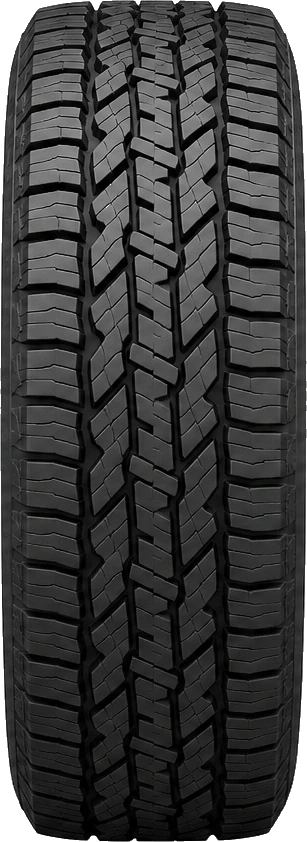
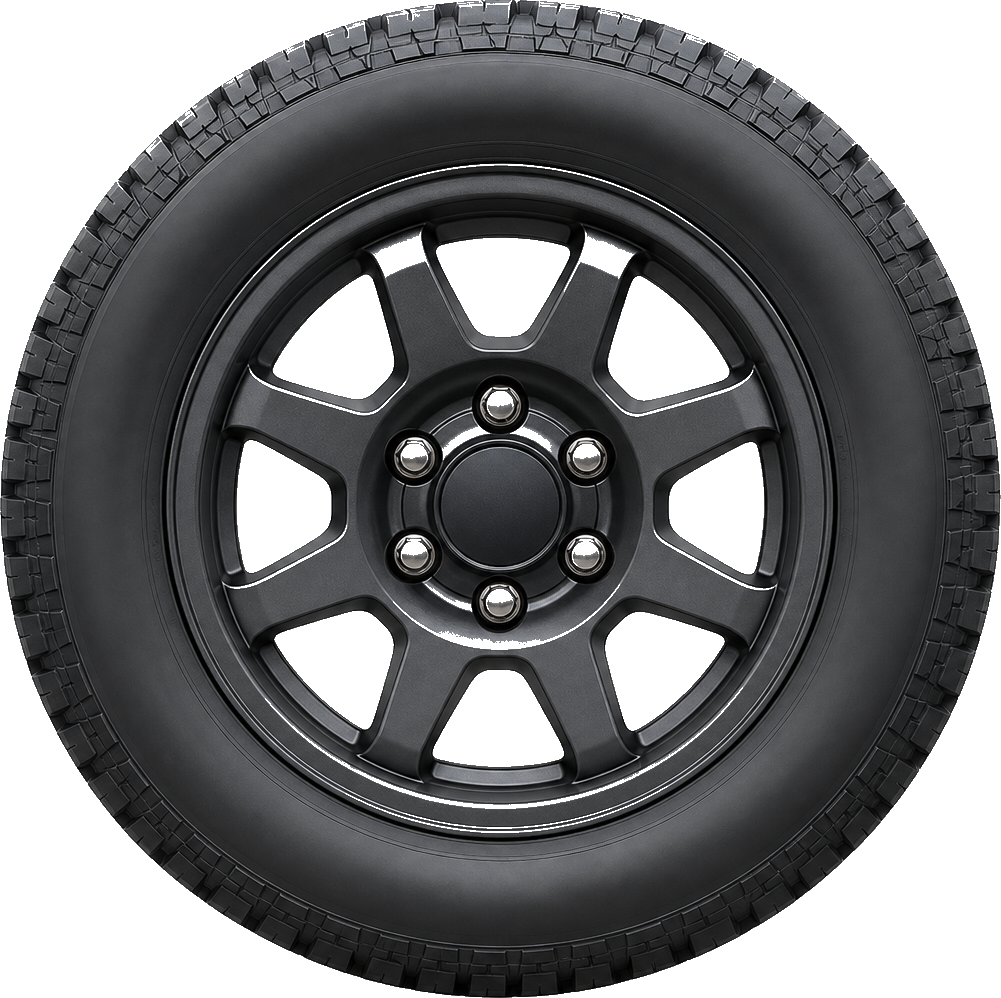
275/70R18 sits in the sweet spot for full-size trucks and body-on-frame SUVs that need more sidewall and load capacity without stepping into true 35-inch territory. At roughly 33.2" overall on an 18-inch wheel (~7.6" sidewall), it adds clearance and a tougher footprint while staying close enough to common truck sizing for daily drivability.
Nominal dimensions calculated from the 275/70R18 size code (275/70R18). Load range and speed rating come from indexed manufacturer products when available. Our OEM database records this size across 2 vehicle models and 7 factory configurations from model years 2021–2023, 2025–2026.
Rim Diameter Calculated
18"
Section Width Calculated
275 mm
Aspect Ratio Calculated
70%
Load Range Manufacturer
C, D, E
Speed Rating Manufacturer
Q, R, S
Construction Standard
Radial
Based on this size’s editorial category and exact-size product metadata. A size may support several uses without every product in the size belonging to every category.
Documented OE or commonly associated platforms for 275/70R18.
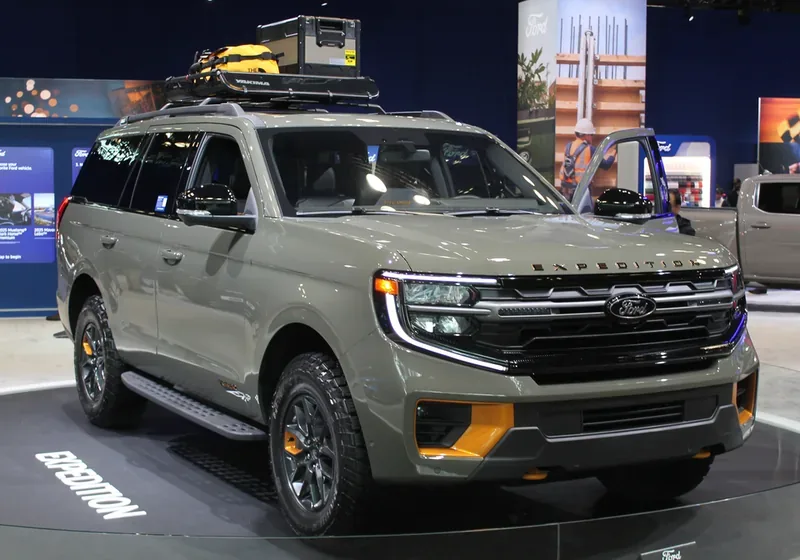
Ford
Expedition
Tremor
2025–2026
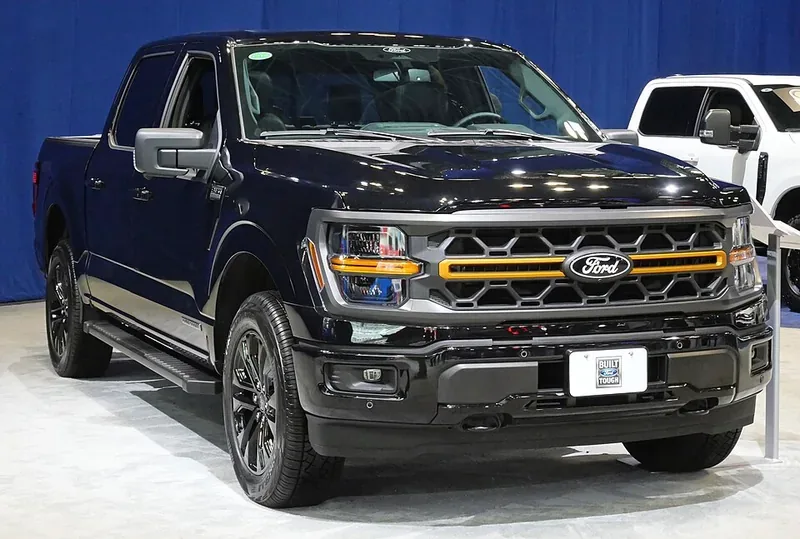
Ford
F-150
Tremor
2021–2023, 2025–2026
Documented fitment mappings for research. Vehicle clearance depends on trim, wheel offset, suspension height, and tire model — confirm fitment before buying.
Indexed manufacturer models confirmed in exact size 275/70R18
Manufacturer-provided product/spec data from Michelin, Goodyear, BFGoodrich, Toyo, and Falken where available.

All-Terrain
275/70R18 · 125/122S · Load Range E
All-Terrain
275/70R18 · 125/122Q · Load Range E

All-Terrain
275/70R18 · 125/122S · Load Range E
All-Terrain
275/70R18 · 116T · Load Range SL

All-Terrain
275/70R18 · 125/122S · Load Range E
All-Terrain
275/70R18 · 125/122S · Load Range E
Best first stop for mixed daily driving, gravel, trails, and overland use.
Top pick
Michelin Ltx A/T2
Other options
Better for road noise, towing stability, and long highway mileage.
Top pick
Michelin Defender Ltx M/S 2
Other options
Use dedicated winter tires when snow and ice grip matter more than tread toughness.
Top pick
Goodyear Discoverer® Snow Claw® LT
Other options
Compare tread depth, weight, max load, pressure, and revs per mile for full-spec 275/70R18 products.
Yes — 275/70R18 is a strong off-road and overland size because it gives a tall sidewall (about 7.58") on an 18-inch wheel while staying below true 35-inch territory (roughly 33.16" overall). The extra sidewall helps with rough-road compliance, aired-down traction, and rim protection compared with lower-profile highway sizes. It works especially well when paired with all-terrain, rugged-terrain, or mud-terrain tires.
275/70R18 is most often seen on full-size pickups, body-on-frame SUVs, and off-road-oriented truck builds. It is commonly upgraded to on vehicles such as the Ford F-150, Ram 1500, Toyota 4Runner, Chevrolet Silverado 1500, GMC Sierra 1500, and similar 4x4 platforms. Always confirm clearance, wheel offset, trim package, and load requirements before treating it as a direct factory replacement.
The most useful load ranges indexed for 275/70R18 are E, D, C, and SL, depending on the tire model and brand. E-load options are especially common in all-terrain and light-truck products, while some highway or SUV-oriented tires may use lighter-duty service descriptions. Match the load range to your GVWR and intended towing or payload use — not just the size code.
Indexed master-database coverage for this size includes BFGoodrich, Toyo, Falken, Goodyear, and Michelin. Availability still varies by load range, tread type, and season — check the product cards and full-spec table on this page for models currently listed.
275/70R18 is taller, wider, and usually heavier than 265/70R17 (33.16" vs 31.61" overall, about +1.6" / +4.9%). It gives more ground clearance and a larger tire footprint, but it can also slow acceleration slightly, add steering weight, and make the speedometer read lower than actual speed. It is a capability-focused upgrade, not a fuel-economy-focused one.
Load capacity depends on the exact tire, load index, and load range — not the size alone. Many 275/70R18 light-truck tires are available in E-load versions, often with service descriptions around 125/122, making them suitable for towing, payload, and heavier truck use. Always use the tire manufacturer’s load table and the vehicle placard when setting pressure or carrying heavy loads.
Every dimension on this site is computed in code from the tire size label — we do not scrape or hand-copy manufacturer spec sheets for overall diameter or circumference.
Rim diameter shown on this page is always 18" — the bead-seat diameter encoded in 275/70R18.
Dimensions are calculated from the tire size label; product rows and fitment mappings come from documented manufacturer and OE sources where available.
Compare 275/70R18 against nearby sizes like 315/70R17, 285/65R20, 305/70R18 to check diameter change, speedometer impact, clearance, and fitment tradeoffs.