Overall Diameter
+0.35 in
+1.35%
26.33 in26.68 in
235/45R18 vs 245/45R18: overall diameter changes by +0.35" (+1.35%), section width changes by +10 mm, sidewall height changes by +0.18", and static ground clearance shifts by about +0.18 in. Speedometer impact is about +1.35% at 60 mph indicated. Both sizes use the same 18" wheel diameter. These figures are dimensional calculations only — they do not confirm vehicle fitment.
Overall Diameter
+0.35 in
+1.35%
26.33 in26.68 in
Section Width
+0.39 in
+4.26%
9.25 in9.65 in
Sidewall Height
+0.18 in
+4.26%
4.16 in4.34 in
Circumference
+1.11 in
+1.35%
82.71 in83.82 in
Speedometer Difference
+1.35%
+1.35%
60 mph60.8 mph true
Revolutions per Mile
−10
-1.33%
766.1755.9
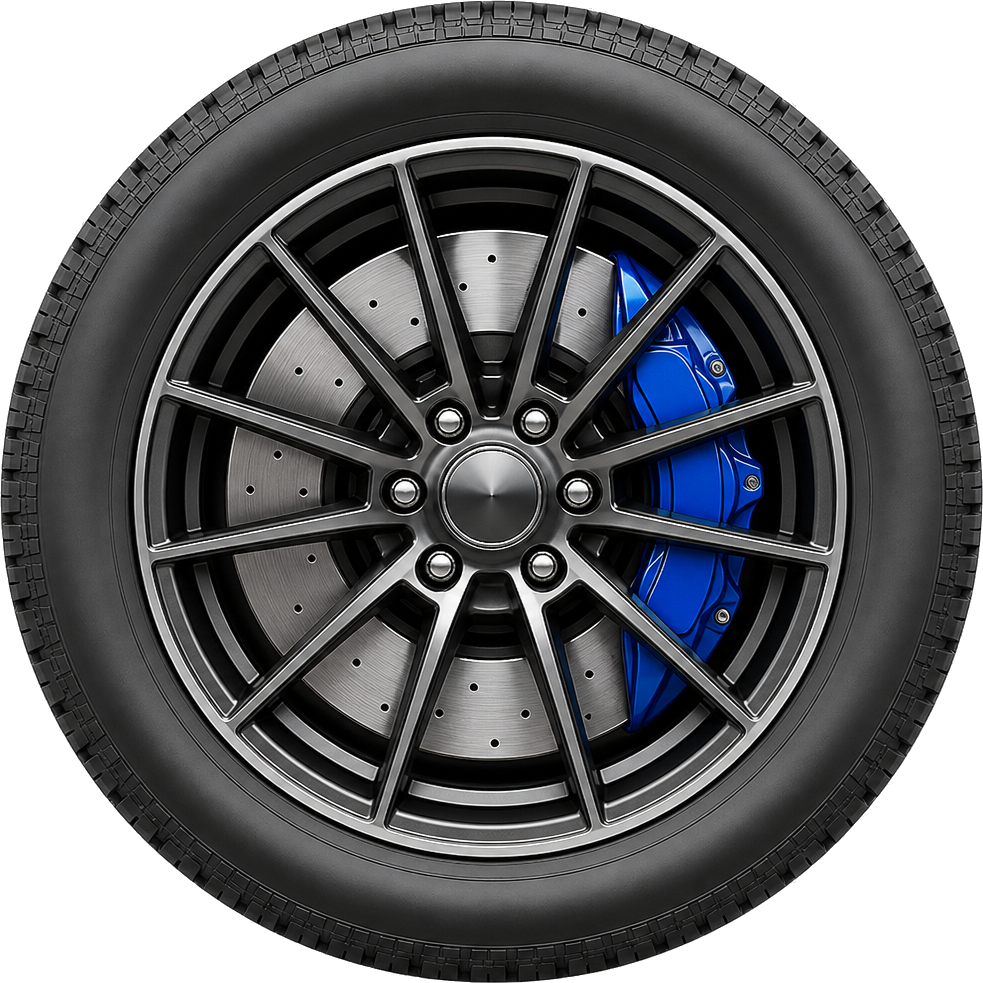
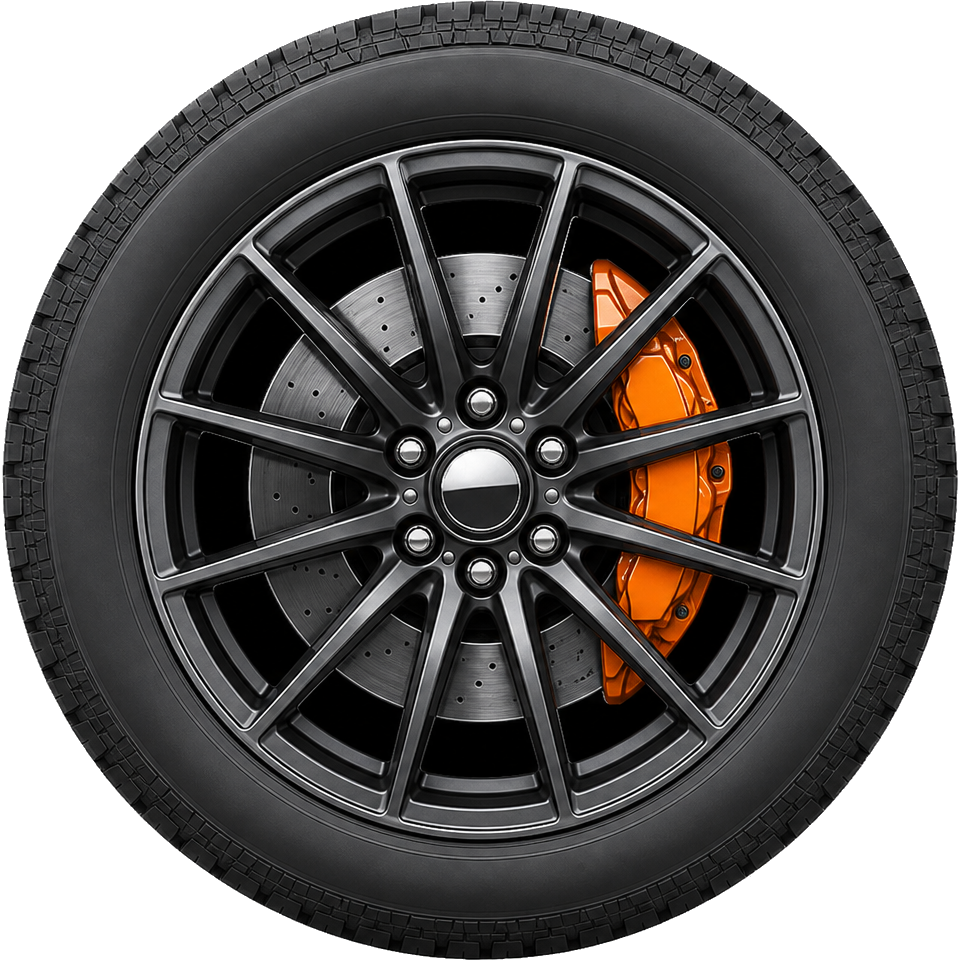
Side-by-side proportional comparison of Original tire 235/45R18 and New tire 245/45R18 on a shared ground baseline. Overall diameter 26.33" versus 26.68" (difference +0.35"). Section width 9.25" versus 9.65". Wheel diameter 18" versus 18".
Comparison uses nominal dimensions calculated from the selected tire sizes. Actual manufacturer measurements may differ.
Speedometer at selected speed
60 mph indicated ≈ 60.8 mph actual
Based on the selected vehicle-speed input.
Ground-clearance effect
Approximately +0.18"
Half of the overall diameter increase.
Sidewall behaviour
Taller sidewall
May increase flex and soften smaller impacts.
Effective gearing
Approximately +1.35% taller
Slightly fewer wheel revolutions per road mile.
Wheel requirement
Same 18-inch wheel
Bead-seat diameter can be reused; rim width and offset are separate checks.
Installation complexity
Light verification recommended
Clearance, load rating and offset checks still matter.
The ±3% diameter threshold is a comparison screen, not confirmed vehicle fitment.
Alternative sizes are dimensional comparisons only. Verify wheel width, load rating, offset and vehicle clearance.
Both sizes use a 18" bead-seat diameter.
The wheel diameter can be reused; approved rim width, offset, load rating and clearance still require separate checks.
+1.35% diameter change is inside the site’s ±3% comparison threshold.
245/45R18 is taller than 235/45R18 (+0.35") and wider (+10 mm).
Sidewall height increases by 0.18"; static ground clearance increases by 0.18".
Theoretical road speeds: 30 indicated = 30.4 mph actual; 60 indicated = 60.8 mph actual; 75 indicated = 76.0 mph actual.
Revolutions per mile change −10.2 (-1.33%), producing taller effective gearing.
24 indexed brand/model names exist in both sizes: Falken AKLIMATE, Falken AZENIS FK460 A/S, Falken ZIEX ZE960 A/S, Goodyear Assurance ComfortDrive®, plus 20 more. Service descriptions and specifications can differ by size.

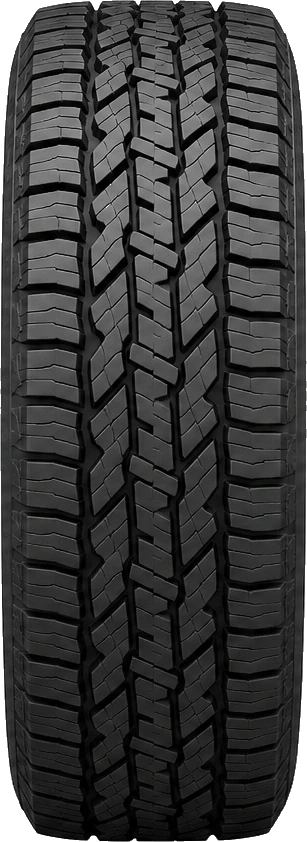
Highway Terrain
245/45R18 · 96V · Load Range SL

Performance
245/45R18 · 100Y · Load Range XL

Highway Terrain
245/45R18 · 100V · Load Range XL

Highway Terrain
245/45R18 · 96V
Highway Terrain
245/45R18 · 100V · Load Range XL
Highway Terrain
245/45R18 · 96V
Models shown are matched to exact-size records in TireReference's tire database. Availability and specifications may change; confirm with the manufacturer or retailer. Data and Calculation Standards
Common size upgrades from the Tire Reference database.
No. It performs a dimensional comparison of 235/45R18 and 245/45R18, not a complete vehicle fitment analysis.
Confirmed fitment still needs model year, trim, factory tire specification, wheel width, offset, bolt pattern, hub bore, brake clearance, suspension and fender clearance, plus load and speed-rating requirements.
What this tool can quantify from size (and published catalog fields when present): diameter difference (+1.35%), width difference (+10 mm), and wheel diameter requirement (18" → 18").
No approved rim-width range is listed for either size in this dataset, so rim fit must be confirmed from the specific tire maker’s documentation.
Load index and speed rating are not populated for both sizes in this dataset.
A diameter change within ±3% is only a common screening guideline — not a fitment guarantee for any specific vehicle.
Nominal tire dimensions for 235/45R18 and 245/45R18 are calculated from the tire-size code using standard geometric relationships, so the arithmetic for those nominal values is exact.
Real mounted tires can still differ because of tread design, approved measuring rim, inflation, load, remaining tread depth and casing construction.
For this pair, overall diameter moves +1.35% (26.33" → 26.68") and section width moves +10 mm (+4.26%).
This comparison is running on nominal size-code calculations for both 235/45R18 and 245/45R18. Prefer manufacturer-published overall diameter and revs/mile when you have selected a specific tire model.
Speedometer and gearing figures are theoretical: they assume the indicated speed is based on the original rolling circumference with no cluster recalibration.
For metric sizes, sidewall height equals section width × (aspect ratio ÷ 100), wheel diameter is converted with 1 in = 25.4 mm, and overall diameter equals wheel diameter plus two sidewalls.
Circumference is π × overall diameter, and revolutions per mile equal inches per mile divided by that circumference.
Applied here: 235/45R18 uses 235 mm width and aspect ratio 45 on a 18" wheel → 4.16" sidewall and 26.33" overall diameter; 245/45R18 works out to 4.34" sidewall and 26.68" overall diameter.
The width code is nominal section width, not tread width, and the aspect ratio is a percentage of that section width.
Yes — the larger rolling circumference on 245/45R18 travels farther per wheel revolution, so at a given indicated speed the vehicle typically moves slightly faster than the cluster shows.
Circumference changes +1.11" (+1.35%), which is the same percentage order as the diameter change for this geometric model.
At an indicated 60 mph, the theoretical road speed is approximately 60.8 mph (+1.35% versus 235/45R18).
Actual cluster behaviour can still differ after tire wear, load, temperature or any OEM speedometer calibration.
Not because of wheel diameter: 235/45R18 and 245/45R18 both specify a 18" bead seat, so the size codes alone do not force a diameter change.
That still does not mean your existing wheel is automatically compatible. The rim width must fall inside the tire maker’s approved range for the specific product, and offset, bolt pattern, hub bore, brake clearance and load rating remain vehicle- and wheel-specific.
No approved rim-width range is listed for either size in this dataset, so rim fit must be confirmed from the specific tire maker’s documentation.
Only when wheel diameter matches, the rim width sits in the approved range for both tires, load and speed requirements are met, and the bead-seat type is compatible.
235/45R18 and 245/45R18 share a 18" wheel diameter, so the same wheel diameter is geometrically possible — but section width still differs by +10 mm (+4.26%), so rim width must still be checked.
A wider tire does not automatically require a wider wheel, but mounting outside the published rim range can distort the tread profile and change handling and load behaviour.
No approved rim-width range is listed for either size in this dataset, so rim fit must be confirmed from the specific tire maker’s documentation.
Clearance must be checked through the suspension and steering travel, not only when the vehicle is parked on level ground.
Inspect full steering lock, suspension compression, inner sidewall to strut or control arm, outer shoulder to fender or liner, brake and wheel-barrel clearance, and tire growth/deflection under load — plus any wheel offset or width change.
For this pair, half the overall diameter change approximates the static radius or ground-clearance shift: about +0.18 in from the +1.35% diameter move (26.33" → 26.68").
Width change (+10 mm) spreads around the wheel centreline only when wheel width and offset stay unchanged; a different offset moves the whole package inward or outward.
Only when the vehicle manufacturer approves a staggered or mixed setup — do not create one casually from a comparison tool.
Mixing 235/45R18 and 245/45R18 across axles would put roughly +1.35% (+0.35") of rolling-circumference difference between front and rear if one size sat on one axle and the other on the opposite axle.
ABS, stability control and especially AWD/4WD systems can be sensitive to axle circumference mismatch; transfer-case and differential hardware may see extra stress, and tire rotation patterns become limited.
Follow the placard or OEM staggered specification. There is no universal “safe” percentage that applies to every drivetrain.
Two products sharing the 235/45R18 or 245/45R18 size code can still publish different overall diameters and revolutions per mile.
Measuring rim width, tread pattern, sidewall and casing construction, rated load and pressure, manufacturing tolerances, and new-versus-worn tread all shift the measured envelope.
Use the size-code geometry on this page for planning, then prefer the manufacturer’s published diameter and revs/mi for the exact model you intend to buy.
Nominal values come from the tire-size formula applied to the size code — for example 26.33" overall diameter on 235/45R18 and 26.68" on 245/45R18.
Published values come from physical measurement or manufacturer specifications for a specific brand and model, and can differ from that formula result.
Nominal figures are useful for generic size-to-size comparison; published figures are preferred for exact model-to-model analysis.
This comparison is running on nominal size-code calculations for both 235/45R18 and 245/45R18. Prefer manufacturer-published overall diameter and revs/mile when you have selected a specific tire model.
A larger rolling diameter on 245/45R18 produces taller effective gearing: fewer wheel revolutions per road mile and usually a small drop in engine RPM at a given true road speed.
revs/mi moves −10 (-1.33%). At 60 mph indicated, theoretical engine speed shifts with that circumference change — exact RPM also depends on final-drive ratio and transmission gear.
Acceleration response can feel slightly softer with taller gearing or sharper with shorter gearing; treat those effects as directional rather than certain for every powertrain.
Sidewall height sets how much vertical rubber is available to deflect under load.
For this pair sidewall changes +0.18" (4.16" → 4.34", +4.26%). Lower sidewalls generally reduce flex; taller sidewalls generally add compliance.
Construction, inflation pressure, load and tread design still matter — sidewall height alone does not determine handling or comfort.