
Ride Height
+0.02 in
What this means
Changes how high the vehicle sits and how confidently you clear obstacles on rough terrain.
Overall Diameter
31.61in
Affects ride height, gearing, and speedometer accuracy.
Section Width
10.43in
Affects traction footprint and steering effort.
Sidewall Height
7.30in
Influences ride comfort and off-road compliance.
Circumference
99.29in
Determines distance traveled per wheel revolution.
Revs Per Mile
638
Used for speedometer and gearing calculations.
Wheel Diameter
17in
Determines wheel compatibility and fitment.
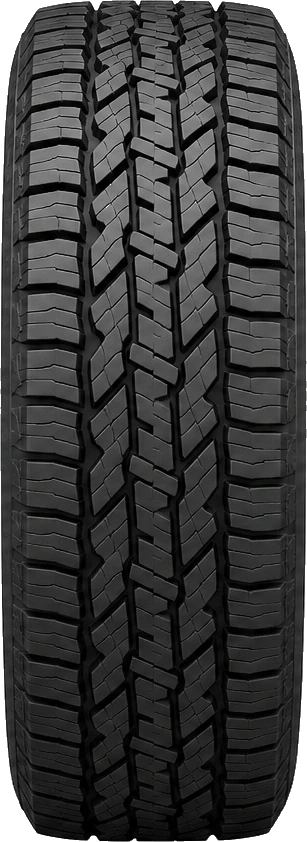
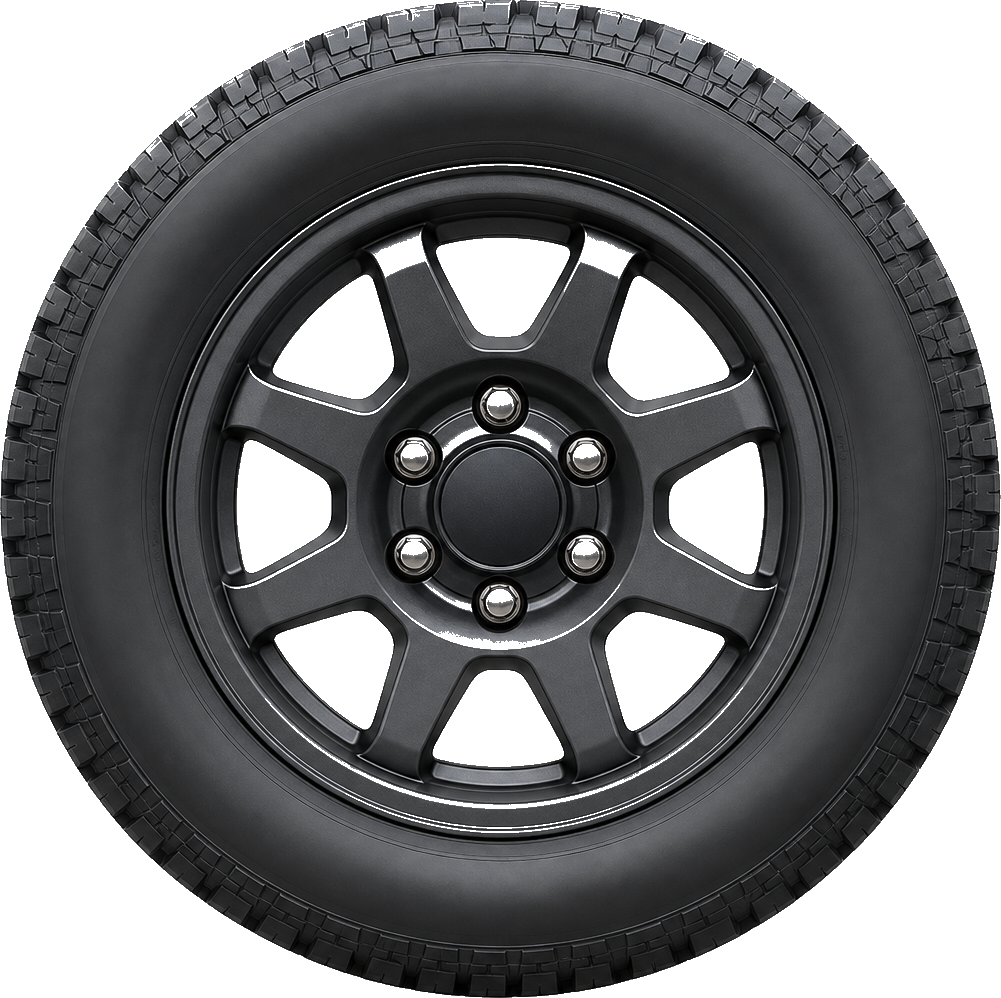
The 265/70R17 is a common upgrade path for truck and SUV owners who want more ride height and trail capability without jumping to an extreme oversized build. Sitting in the 32-inch tire category, it represents a balance point where drivers gain additional ground clearance, improved obstacle approach characteristics, and a more aggressive stance while still maintaining reasonable road manners, fuel economy, and gearing behavior. The tall sidewall also provides additional compliance over rough terrain, helping absorb impacts that would otherwise be transmitted through lower-profile tire setups. With its moderate footprint, this size suits drivers bridging everyday usability and adventure-oriented performance. As a result, 265/70R17 is frequently considered when overlanding, weekend trail use, or a taller stance are goals—but full-size truck compromises on pavement are still a consideration.
265/70R17 is an off-road-oriented OEM size on trail-ready SUVs and trucks where added diameter improves approach angles and obstacle clearance.
Toyota
4Runner
TRD Off-Road
2010–2024
Jeep
Wrangler
Rubicon
2018–2024
Ford
Bronco
Base
2021–2024
Toyota
Land Cruiser
Base
2008–2021
Nissan
Xterra
PRO-4X
2005–2015
Understand how this tire size changes vehicle behavior beyond the raw specifications.
Compared with 265/65R18
+0.02 in
What this means
Changes how high the vehicle sits and how confidently you clear obstacles on rough terrain.
+0.1%
What this means
Your dash-indicated speed will differ from true ground speed at highway velocities.
638 revs/mi
What this means
-1 revs/mi vs 265/65R18 — larger tires turn fewer times per mile at the same speed.
-0.1% revs
What this means
Rolling resistance and tire mass changes can shift miles-per-gallon on long highway runs.
+0.52 in sidewall
What this means
More sidewall compliance absorbs impacts; shorter sidewalls trade comfort for sharper response.
Trail-ready
What this means
Flotation-class footprint improves approach angles and loose-surface traction compared with shorter highway-oriented fitments.
In detail
Within ±3% overall diameter — speedometer-safe alternatives.
| Size | Overall Diameter | Difference | Difference (%) | Taller / Shorter |
|---|---|---|---|---|
| 265/65R18 | 31.56 in | -0.04 in | -0.1% | Shorter |
| LT265/75R16 | 31.65 in | +0.04 in | +0.1% | Taller |
| 275/55R20 | 31.91 in | +0.30 in | +1.0% | Taller |
| 275/65R18 | 32.07 in | +0.47 in | +1.5% | Taller |
| 285/55R20 | 32.34 in | +0.74 in | +2.3% | Taller |
Compare 265/70R17 against common alternative tire sizes.
Current Size
265/70R17
Locked to this page
Popular Comparisons
Diameter, width, and speedometer error at 60 mph indicated.
For most truck and SUV owners stepping up from factory tires, 265/70R17 is worth it when you actually use the extra capability — gravel roads, snowy approaches, and loaded weekend trips where stock rubber feels limited. The upgrade makes less sense if you rarely leave pavement and care most about mpg and the quietest possible commute. Value also depends on fitment: many full-size SUVs and trucks accept this size cleanly, while some half-ton platforms need a mild level or careful wheel offset. Treat it as a purposeful upgrade — the payoff shows in where you drive, not how it looks parked.
Expect a modest mpg hit versus shorter, lighter factory tires — many owners see roughly 1–3 mpg combined depending on tread pattern and load. The penalty comes from increased rolling resistance and heavier rotating mass, which shows up most in city driving and mountain cruising. All-terrain and mud-terrain compounds usually cost more fuel than highway-terrain patterns in the same size. Towing amplifies the difference. The impact rarely cancels the upgrade for adventure-focused owners, but daily commuters should plan for it. Keep pressures correct — under-inflation is a common hidden mpg killer after upsizing.
On many full-size SUVs and ¾-ton trucks, yes — which is why this size is popular. Half-ton pickups are more variable: a 2-inch level is commonly used to reduce inner-fender contact at full lock. Rubbing is the deciding factor, not just static garage fitment — test full steering lock, suspension compression, and rear travel when loaded. Wider aftermarket wheels push the tire outward and cause rubbing before taller diameter does. If you want no lift and no trimming, stay near factory wheel width and offset. A lift solves clearance but is not mandatory on every platform.
Usually yes on broken pavement if your stock tires were a shorter, stiffer highway size. The taller sidewall absorbs more impact before it reaches the suspension, softening potholes and washboard gravel. The tradeoff is steering feel: more sidewall compliance can make turn-in slightly slower during quick lane changes. Ride quality still depends on tread construction — a stiff mud-terrain can ride harder than a touring all-terrain despite the taller profile. Owners coming from plush OEM SUV tires may notice more road hum but still prefer the calmer impact feel.
Overlanders choose 265/70R17 because it adds clearance, loose-surface traction, and durability on mixed routes without the lift, gearing, and alignment headaches that extreme builds demand. It fits many expedition rigs with minimal sheet-metal compromise and still behaves predictably on long highway transfers between trailheads. Strong all-terrain lineups and rural shop availability matter on multi-week trips. It also preserves towing and loaded handling better than oversized packages that need constant driveline attention. The choice is about reliability and range, not just peak trail performance.
The alternative size 265/65R18 will differ in overall diameter, section width, and fitment tolerance — use the comparison tool on this page for exact deltas. Generally, a slightly larger neighbor adds footprint and stance but tightens wheel-well clearance and may increase steering effort and fuel use. A smaller neighbor improves fitment margin and efficiency but reduces clearance and loose-surface confidence. Choose based on whether your priority is easiest installation, maximum trail capability, or balanced daily drivability. Always confirm rubbing at full lock before buying four tires.