Compare 225/55R17 vs 245/45R18 to see differences in overall diameter, width, sidewall height, circumference, speedometer accuracy, and real-world fitment im…
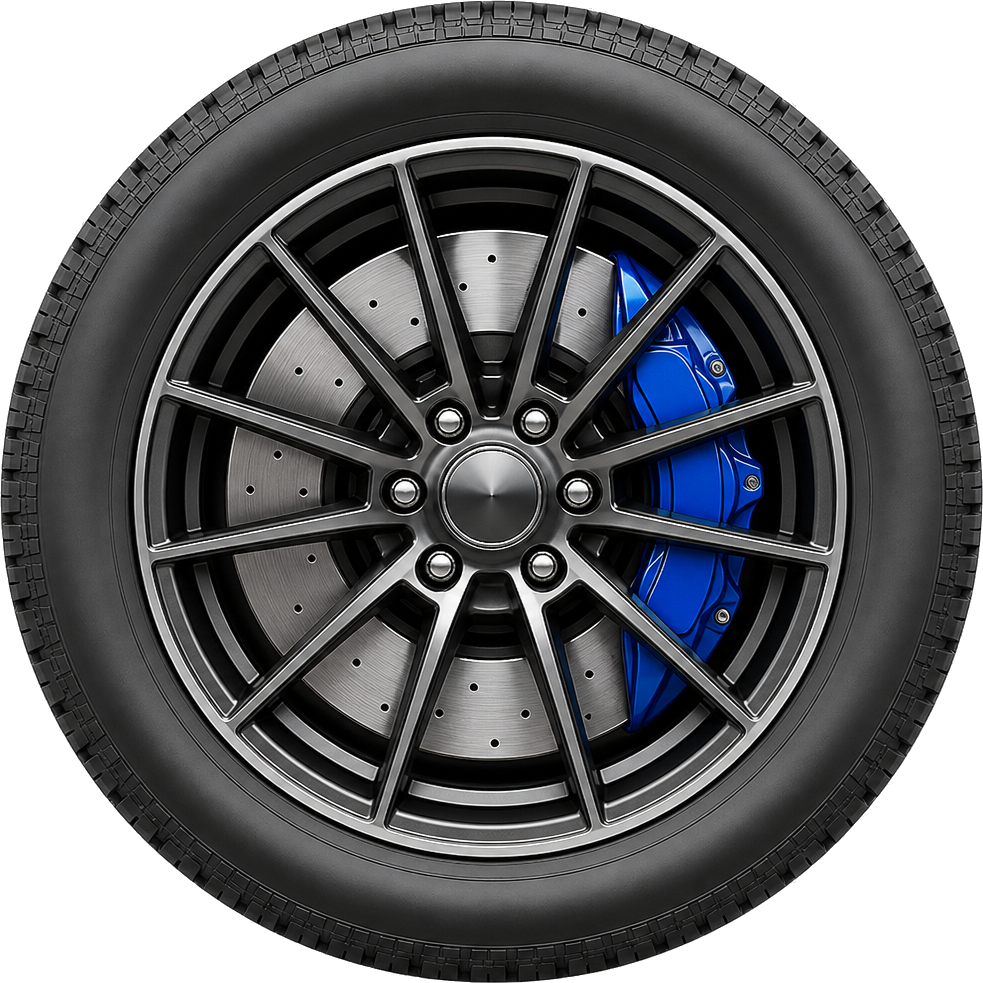
225/55R17Current Tire
→
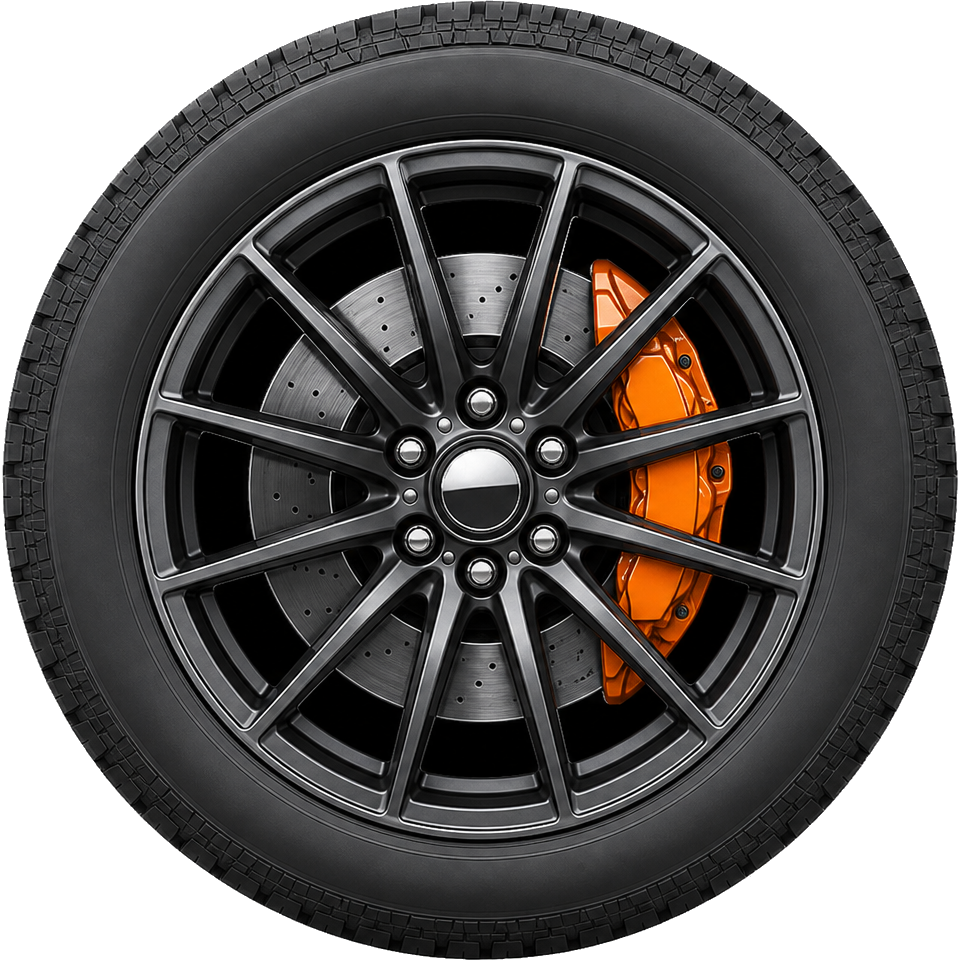
245/45R18New Tire
Diameter: -0.24%Width: +8.89%Speedometer: -0.24%
Overall Diameter
-0.06"
-0.24%
Width
+0.79"
+8.89%
Sidewall Height
-0.53"
-10.91%
Circumference
-0.20"
-0.24%
Speedometer Error
-0.24%
59.9 mph true
Revs Per Mile
+2
+0.24%
225/55R17
Circumference: 84.02"
245/45R18
Circumference: 83.82"
Understanding This Tire Size Difference
Switching from 225/55R17 to 245/45R18 introduces a smaller overall diameter that covers less ground per revolution. The new tire is wider, which can increase contact patch area and steering load, affecting how the tire fills the wheel well and loads the suspension. A shorter sidewall typically firms up turn-in and transmits more road texture into the cabin. Speedometer error should stay modest for routine commuting, though indicated speed and navigation ETA may shift slightly. Ride quality may feel firmer and more connected, which performance-oriented drivers often prefer on smooth roads. Handling can feel more planted in dry corners, with slightly heavier steering and greater sensitivity to standing water. Effective gearing shifts with the -0.24% circumference change, altering acceleration feel and cruising RPM by roughly 0.2% in revs per mile. Static clearance changes by about -0.03" at the lowest chassis point, which matters for driveways, trail obstacles, and break-over angle. Fuel economy impact should stay minor unless width or tread compound changes substantially. For most daily drivers, the calculated deltas are small enough to evaluate with a quick fitment check rather than major modifications.
Performance & Driving Impact
Speedometer Error
At 60 mph
-0.24%
Actual: 59.86 mph
RPM Change
At 60 mph
+2 RPM
Now: 756 RPM
Ground Clearance
−0.03"
0.03" Lower
Handling Impact
Improved
More grip
Ride Height Change
−0.03"
0.03" Lower
Gearing Effect
Slightly Shorter
More acceleration
Fuel Economy Impact
Based on 60 mph average
25.0MPG
Current
−0.1MPG(−0.24%)
24.9MPG
New
RPM vs Speed (60 mph)
225/55R17 245/45R18
Tire Specs Summary
Specification
Current
New
Difference
Diameter
26.74"
26.68"
-0.06" (-0.24%)
Width
8.86"
9.65"
+0.79" (+8.89%)
Sidewall
4.87"
4.34"
-0.53" (-10.91%)
Circumference
84.02"
83.82"
-0.20" (-0.24%)
Revs per Mile
754.1
755.9
+1.8 (+0.24%)
Speedo Error
—
-0.24%
At 60 mph
Diameter
Current26.74"
New26.68"
Difference-0.06" (-0.24%)
Width
Current8.86"
New9.65"
Difference+0.79" (+8.89%)
Sidewall
Current4.87"
New4.34"
Difference-0.53" (-10.91%)
Circumference
Current84.02"
New83.82"
Difference-0.20" (-0.24%)
Revs per Mile
Current754.1
New755.9
Difference+1.8 (+0.24%)
Speedo Error
Current—
New-0.24%
DifferenceAt 60 mph
Things to Consider
Quicker turn-in
More dry grip potential
Modern performance look
Tradeoff: Firmer ride quality
Tradeoff: More sensitive to potholes
Wider tire may increase road grip but needs fender clearance verification.
What Changes When You Switch From 225/55R17 To 245/45R18
Switching from 225/55R17 to 245/45R18 changes overall diameter by -0.06 in (-0.24%), section width by +0.79 in, and sidewall height by -0.53 in. At 60 mph indicated, the speedometer reads -0.24% versus true road speed, while ground clearance shifts by roughly -0.03 in. Circumference grows -0.20 in, changing revs per mile by +2 and highway RPM by about 2 at the same indicated speed. Handling becomes sharper with less sidewall flex. Wider section width (+8.89%) can improve dry grip but increases steering effort and clearance checks at the fenders. These calculated differences summarize the real-world tradeoffs between 225/55R17 and 245/45R18 — confirm inner fender, suspension, and brake clearance on your exact vehicle and wheel offset before buying.
Is 245/45R18 A Good Upgrade From 225/55R17?
Good upgrade for most daily drivers
With a fitment score of 8.2/10, 245/45R18 stays close enough to 225/55R17 for many vehicles without major modifications. The -0.24% diameter change sits inside the commonly recommended ±3% speedometer window. Speedometer error of -0.24% means indicated speed at 60 mph reads against a true 59.9 mph. Sidewall height moves -0.53 in, so ride quality will feel firmer with quicker turn-in. Clearance changes by -0.03 in, which should not dramatically alter daily fitment on stock suspension. Revs per mile shift +2, affecting effective gearing and potentially trimming highway fuel economy. If your goal is a straightforward daily-driver upgrade, mock-fit at full lock and under compression before committing to all four tires.
Who Should Choose This Tire Size?
Drivers comparing 225/55R17 and 245/45R18 should match the upgrade to how the vehicle is actually used. Drivers who prefer sharper response may appreciate this change if fitment margins are confirmed. Drivers prioritizing clearance should note the limited diameter gain in this comparison. Towing and heavy-load users may prefer the wider footprint but should watch for rubbing at full lock. Daily drivers are less likely to notice the speedometer variance in normal commuting. Performance-oriented setups should weigh the -0.53" sidewall change and +8.89% width shift against their target handling feel. Fuel-conscious owners should note the +2 revs/mi change and slightly higher highway RPM at the same indicated speed. Anyone unsure about fitment should use the Will This Fit checks and mock-fit before buying — dimensional math is the starting point, not the final answer.
Frequently Asked Questions
How does switching from 225/55R17 to 245/45R18 affect speedometer accuracy and odometer readings?
Your speedometer and odometer are calibrated to the rolling circumference of the factory tire (84.02 in per revolution). Moving to 245/45R18 (83.82 in circumference) changes revolutions per mile from 754.1 to 755.9 — a +1.8 rev/mi shift. At 60 mph indicated on your cluster, true road speed becomes approximately 59.9 mph (-0.24% error). That -0.24% variance sits within the ±2–3% band most OEMs target for speedometer accuracy, so daily driving and typical enforcement margins are usually unaffected. Odometer distance will also skew proportionally: over 10,000 miles, a 0.2% error accumulates to roughly 24 miles of discrepancy versus actual distance traveled.
What rubbing and fitment risks should I expect when upsizing from 225/55R17 to 245/45R18?
This is an aggressive dimensional step. A -0.06 in diameter increase combined with +0.79 in of section width enlarges the tire envelope in every direction — upward into the fender lip, inward toward the strut at full lock, and rearward into the inner liner under compression. Before purchase, cycle the suspension through full droop and full compression (or measure at ride height with a straightedge), check lock-to-lock clearance, and verify that brake caliper and rotor diameter still clear the inner sidewall. Budget for minor trimming, a mild lift, or revised wheel offset if any contact is found. Key contact points to inspect: front inner fender liner at full lock, rear quarter panel lip under load, pinch weld on the unibody rail, and the leading edge of the rear bumper cutout on short-bed trucks. A wider tire (+0.79 in, +8.89%) increases scrub radius slightly, which can add steering effort and transmit more road noise through the rack. If your vehicle uses adaptive cruise, lane-keep, or automatic emergency braking, confirm that radar and camera calibrations are unaffected — some systems are sensitive to ride-height changes.
Do I need a lift kit or fender modification to fit 245/45R18 on a vehicle currently running 225/55R17?
The -0.03 in change in static ride height is small enough that most factory-height vehicles can absorb it without a lift kit. You still gain the full diameter benefit for obstacle clearance and break-over angle — just confirm that the larger tire does not contact the fender, liner, or control arms at full suspension travel before relying on the extra clearance off-road. Static ground clearance changes by -0.03 in because overall diameter shifts -0.06 in (-0.24%). That half-diameter rule applies at each axle: a 0.06" diameter change adds roughly 0.03" of clearance under the differential and rocker panels. Approach and departure angles improve proportionally, which matters for off-road and steep driveway transitions. For street-only vehicles, the priority is avoiding contact at full compression rather than maximizing lift height.
How will fuel economy and highway engine RPM change with 245/45R18 versus 225/55R17?
Revs per mile increase by +2 (+0.24%), meaning the engine turns 2 more RPM at 60 mph (754 → 756 RPM). Higher cruising RPM raises internal friction losses and can trim highway fuel economy by 1–3% in real-world driving, though the effect varies with gearing, aerodynamics, and how much the wider contact patch increases rolling resistance. City driving impact is usually smaller because speeds are lower. Rolling circumference changed -0.20 in (-0.24%), which is the primary driver of cruising RPM. Sidewall height changed -0.53 in — a shorter sidewall reduces flex and heat buildup at speed but transmits more road harshness. For the most accurate estimate, track a full tank before and after the swap on your regular commute.
Can I reuse my factory wheels when switching from 225/55R17 to 245/45R18?
These sizes use different wheel diameters (17" vs 18"), so factory wheels from 225/55R17 cannot mount 245/45R18. Plus-sizing or minus-sizing requires a complete wheel set matched to the new bead seat diameter, correct hub bore, and load rating. The 18" wheel also changes brake clearance geometry — always confirm caliper-to-wheel clearance before purchase.
How much ground clearance and break-over angle do I gain going from 225/55R17 to 245/45R18?
Overall diameter increases -0.06 in (-0.24%), from 26.74" to 26.68". Static ground clearance at the lowest point (typically the differential pumpkin or exhaust crossmember) rises by approximately -0.03 in — half the diameter delta. Break-over angle improves because the contact patches move farther from the center of the vehicle, reducing the likelihood of high-centering on obstacles. The clearance change is modest; do not expect a dramatic off-road capability shift from diameter alone.
Will 245/45R18 affect my ABS, traction control, or stability systems compared to 225/55R17?
Modern ABS and ESC systems compare wheel-speed sensor inputs across all four corners to detect slip. A +1.8 rev/mi change alters the expected wheel-speed ratio at any given road speed by +0.24%. At this magnitude, most factory ABS/ESC modules tolerate the variance without fault codes, though a brief relearn drive cycle (10–15 minutes of mixed driving) helps the system establish new baselines. Traction control and hill-descent systems use the same wheel-speed data, so the same tolerance applies. If your vehicle has tire-pressure monitoring, confirm the new size is within the TPMS relearn parameters for your module.
How does the sidewall and width change from 225/55R17 to 245/45R18 affect ride quality and handling?
Sidewall height moves from 4.87" to 4.34" (-0.53", -10.91%). Shorter sidewalls reduce sidewall flex under cornering load, sharpening turn-in and reducing tread squirm for more precise handling — but they transmit more impact energy to the suspension and are more vulnerable to pinch flats and rim damage on potholes. Section width changes +0.79 in (+8.89%), which widens the contact patch for improved dry grip and braking but increases hydroplaning speed threshold sensitivity and steering effort. Match tire compound and tread pattern to your climate and driving style for best results.